
Introduction
In the dynamic world of digital marketing, search engine optimization (SEO) plays a key role in increasing website visibility and increasing organic traffic. SEO is a complex and constantly evolving field that requires a deep understanding of search engine algorithms, user behavior, and technical elements. Burraq Engineering Solutions aims to provide you with a solid foundation of key concepts, strategies and best practices to help you navigate the complexities of SEO.
Chapter 1: Understanding the Basics of SEO
What is SEO?
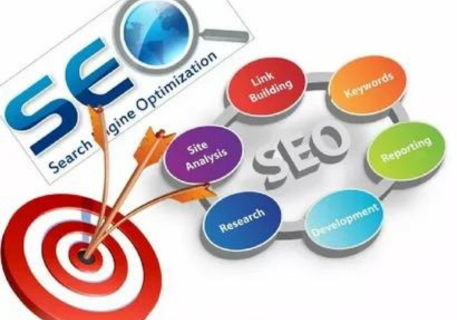
Search Engine Optimization (SEO) refers to the process of optimizing a website to improve its visibility on search engines such as Google. The ultimate goal is to increase organic (unpaid) traffic by ranking higher on search engine results pages (SERPs). SEO encompasses a variety of strategies, including on-page optimization, off-page optimization, and technical SEO.
Importance of SEO
SEO is critical to online success because it directly affects a website’s visibility, credibility, and user experience. Well-optimized pages not only attract more visitors, but also provide a better experience, leading to higher conversion rates and better brand reputation.
How search engines work
Understanding the basics of search engine algorithms is essential for effective SEO. Search engines use complex algorithms to analyze and rank websites based on relevance and quality. Factors such as keywords, backlinks, and user experience contribute to page ranking.
Chapter 2: On-Page SEO
Creating SEO friendly content
Creating high-quality, relevant and engaging content is at the heart of on-page SEO. This includes optimizing meta titles, descriptions and headers with relevant keywords. Content should match user intent and provide value and ensure a positive user experience.
Keyword research and analysis
Conducting thorough keyword research helps identify the terms and phrases your target audience uses when searching. Strategically integrating these keywords into your content increases its chances of ranking higher in search results.
URL structure and internal linking
A clear and logical URL structure, along with strategic internal linking, improves both the user experience and the ability of search engine crawlers to index your site. This helps to distribute the link value to your site.
Chapter 3: Off-Page SEO
Building quality backlinks
Off-page SEO includes activities outside of your website that affect its ranking in search engines. Getting high-quality backlinks from reputable sites is a critical off-page SEO strategy. Quality over quantity is paramount in link building efforts.
Social media and SEO
Social media signals are taken into account by search engines when ranking sites. A strong social media presence can indirectly contribute to your SEO efforts by increasing brand visibility, increasing traffic and generating social signals.
Online reputation management
Maintaining a positive online reputation is essential for SEO. Reviews, ratings and overall online sentiment influence consumer trust and can affect search engine rankings. Monitoring and managing your online reputation is an ongoing process.
Chapter 4: Technical SEO
Web Structure and Browsing
A well-structured website with clean navigation helps search engine crawlers index your content effectively. XML sitemap files, robots.txt files, and proper use of canonical tags are essential elements of technical SEO.
Optimizing page speed
Fast loading pages improve the user experience and are popular with search engines. Compressing images, using browser cache, and minimizing server response time are key aspects of optimizing page speed.
Mobile optimization
With the increasing use of mobile devices, optimizing your website for mobile is essential. Responsive design, mobile-friendly content, and fast loading on mobile devices have a positive impact on SEO.
Conclusion
In this comprehensive SEO training guide, we’ve covered the fundamentals of SEO, including on-page optimization, off-page strategies, and technical considerations. The SEO landscape is constantly evolving, so it’s essential to stay up-to-date on algorithm updates and industry trends. Armed with this knowledge, you can set out on a journey to effectively optimize your website and improve its visibility in search engines.