
Introduction:
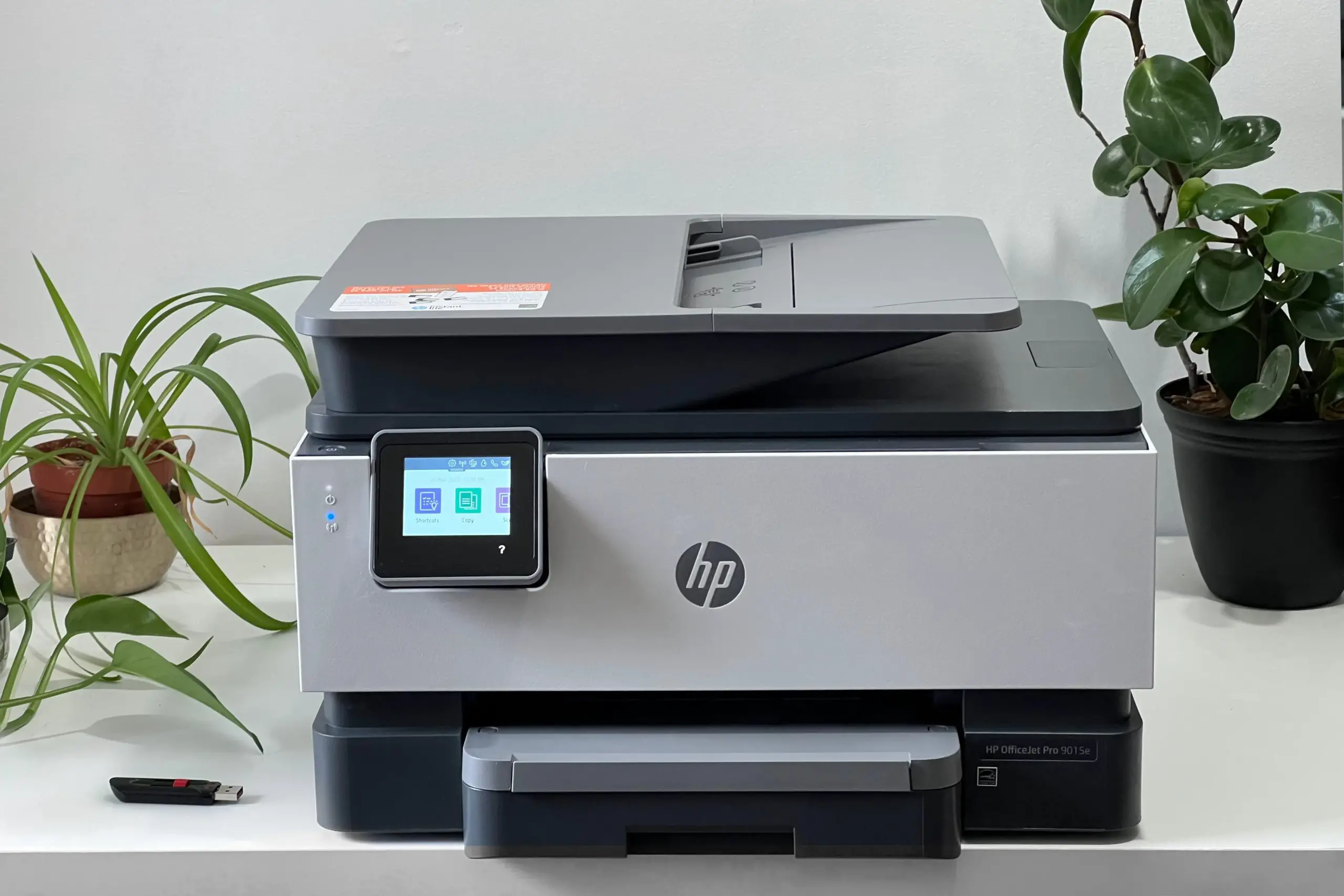
Rapid printing techniques refer to the various methods and technologies used to achieve high-speed printing processes. These techniques encompass a range of technologies and approaches aimed at significantly reducing the time required to produce printed materials. This includes innovations in printing machinery, improvements in printing materials, advancements in software optimization, and the integration of automation.
The objective of rapid printing techniques is to expedite the printing process without compromising the quality of the final output. These techniques often focus on streamlining workflows, optimizing printing machinery, and utilizing innovative technologies to achieve faster print speeds while maintaining accuracy and precision.
Importance of Speed and Efficiency in Printing
Speed and efficiency play crucial roles in the printing industry for several reasons:
-
- Meeting Tight Deadlines: In industries like advertising, publishing, and manufacturing, deadlines are often stringent. Rapid printing techniques help meet these deadlines by enabling quick production of printed materials.
- Enhanced Productivity: Faster printing speeds increase overall productivity, allowing businesses to handle larger volumes of work within shorter timeframes.
- Cost Savings: Efficient printing processes minimize resource wastage, reducing operational costs associated with labor, materials, and energy consumption.
- Competitive Edge: Companies that can deliver high-quality printed materials swiftly gain a competitive advantage in their respective markets, attracting more clients and customers.
- Customer Satisfaction: Prompt delivery of printed materials satisfies customer expectations, leading to increased satisfaction and potentially fostering long-term relationships.
- Meeting Tight Deadlines: In industries like advertising, publishing, and manufacturing, deadlines are often stringent. Rapid printing techniques help meet these deadlines by enabling quick production of printed materials.
Evolution of Printing Speed
Historical Perspective from Traditional to Modern Printing
Printing has undergone a remarkable evolution from its early traditional methods to today’s modern printing technologies. Historically, printing began with techniques like woodblock printing in ancient China and later moved to Gutenberg’s invention of the movable-type printing press in the 15th century, revolutionizing the spread of knowledge and information in Europe.
The industrial revolution further advanced printing techniques, introducing steam-powered presses and mechanized processes that increased printing speeds and production capabilities. Throughout the 20th century, advancements in lithography, offset printing, and the advent of digital printing technologies continued to redefine the industry.
The shift from analog to digital technologies marked a significant turning point in the printing landscape. Digital printing methods, including inkjet and laser printing, brought about unprecedented flexibility, allowing for on-demand printing, shorter print runs, and personalized content.
Technological Advancements Driving Speed in Printing Processes
- Technological advancements have been pivotal in accelerating printing speeds and enhancing overall efficiency in the printing industry. Innovations in machinery, software, and materials have contributed significantly to this acceleration.
- Printing machinery has evolved with faster print heads, improved precision, and automation features. High-speed digital printers, capable of printing thousands of pages per minute, have become integral in commercial and industrial settings, revolutionizing the pace of production.
- Moreover, software optimizations have played a crucial role. Advanced print management software and workflow automation tools streamline processes, reducing setup times, minimizing errors, and maximizing output.
- Materials used in printing, such as specialized inks and substrates, have also undergone enhancements to facilitate faster drying times and better compatibility with high-speed printing equipment.
- Overall, these technological advancements collectively drive the speed and efficiency of printing processes, enabling the industry to meet the demands of a fast-paced world while maintaining high-quality standards.
Understanding Advanced Rapid Printing Techniques
-
Exploring Digital Printing Innovations
Digital printing innovations have fundamentally transformed the printing landscape, introducing a new era of flexibility and efficiency. Unlike traditional methods that involve time-consuming setup and plate creation, digital printing allows for direct printing from digital files onto various substrates.
One of the key innovations in digital printing is variable data printing (VDP), enabling customization of each printed piece with unique content such as text, images, or graphics. This customization capability has revolutionized marketing materials, allowing for personalized communication with customers and clients.
Additionally, advancements in inkjet and laser printing technologies have led to enhanced print quality, faster printing speeds, and the ability to handle diverse materials. These innovations have made digital printing a preferred choice for short print runs, on-demand printing, and projects requiring quick turnaround times.High-Speed Printing Machinery and Automation
The integration of high-speed printing machinery and automation has been a game-changer in the printing industry. Cutting-edge printing presses equipped with advanced technologies can achieve incredibly high speeds while maintaining accuracy and consistency.
Modern printing machinery incorporates sophisticated features like automated paper handling, inline finishing options, and real-time monitoring systems. These systems optimize production by minimizing downtime, reducing human intervention, and ensuring seamless workflow processes.
Automation in printing has not only increased the speed of production but also improved quality control. Automated systems detect and rectify errors swiftly, contributing to higher overall efficiency and fewer production delays.
Factors Influencing Printing Speed
-
Role of Software Optimization
Software optimization plays a pivotal role in maximizing the efficiency and speed of printing processes. Advanced print management software streamlines workflows, ensuring seamless coordination between various stages of printing—from file preparation to the printing press.
These software solutions offer features such as preflight checks, color management, and imposition, which help identify and rectify potential issues before printing. Moreover, they enable the efficient utilization of resources, minimizing material wastage and reducing setup times.
Additionally, workflow automation through software integration reduces manual interventions, enhancing operational speed and accuracy. Real-time monitoring and analytics provided by these software solutions enable printers to identify bottlenecks and optimize processes for improved efficiency.Material Selection and its Impact on Speed
The selection of printing materials significantly influences the speed and quality of the printing process. Advancements in material technology have led to the development of substrates optimized for high-speed printing.
Specialized papers, inks, and coatings engineered for rapid drying times and compatibility with high-speed presses contribute to faster production. These materials reduce smudging, improve color vibrancy, and enhance overall print quality while ensuring efficient throughput.
Moreover, the compatibility of materials with printing equipment directly impacts the speed and reliability of the printing process. Careful selection of materials considering their compatibility with specific printing technologies helps in achieving optimal speed without compromising on print quality or causing equipment downtime.
Applications and Industries Benefiting from Rapid Printing
-
Commercial Printing revolutionizing Marketing and Advertising
Commercial printing has undergone a transformative evolution, playing a pivotal role in revolutionizing marketing and advertising strategies. It serves as a cornerstone for businesses to convey their brand messages effectively to their target audience.
In the realm of marketing, commercial printing offers diverse solutions, including brochures, flyers, posters, and direct mail materials. The advent of digital printing allows for personalized and targeted marketing campaigns, facilitating the creation of customized materials tailored to individual preferences and demographics.
Moreover, commercial printing enables the production of visually striking and high-quality materials that enhance brand visibility and customer engagement. From large-format banners to intricate promotional materials, the versatility of commercial printing aids in creating impactful marketing collateral that captures attention in a competitive market landscape.Manufacturing and Prototyping accelerating Production
The application of printing technologies in manufacturing and prototyping processes has revolutionized the traditional methods, significantly accelerating production and innovation cycles.
Additive manufacturing, commonly known as 3D printing, has emerged as a revolutionary technique in manufacturing. It allows for the rapid creation of prototypes, intricate designs, and customized parts with high precision, saving time in the product development phase.
Furthermore, printing technologies facilitate rapid tooling and production of molds, reducing lead times in manufacturing. The ability to create functional prototypes swiftly allows for iterative testing and refinement, expediting the product development timeline.
Challenges and Solutions in Speedy Printing
-
Overcoming Quality Compromises for Faster Printing
Maintaining high-quality standards while achieving faster printing speeds poses a significant challenge in the printing industry. However, several strategies and technological advancements have been implemented to overcome these challenges.
One approach involves leveraging advanced printing technologies that prioritize both speed and quality. Continuous innovations in print heads, ink formulations, and substrate compatibility enable faster printing without compromising on resolution, color accuracy, or detail.
Moreover, employing sophisticated software solutions for real-time monitoring and quality control during the printing process helps identify potential issues that may affect quality. These solutions enable immediate adjustments, ensuring consistent output quality even at higher speeds.
Additionally, investing in staff training and implementing standardized procedures further minimizes errors and ensures adherence to quality standards, allowing for faster production without sacrificing print quality.
Maintenance and Calibration for Consistent Speed
Maintaining consistent speed in printing operations requires meticulous maintenance and calibration of printing equipment.
Regular maintenance schedules for printers and ancillary equipment, such as replacing worn-out components and cleaning mechanisms, are essential to prevent downtime and ensure optimal performance. Calibration of machinery, including print heads and rollers, is crucial to maintain accurate registration and color consistency.
Furthermore, software-driven diagnostics and predictive maintenance systems help identify potential issues before they lead to slowdowns or breakdowns. Proactive maintenance practices, coupled with scheduled calibrations, contribute to sustained performance and consistent printing speeds.
Future Trends in Rapid Printing
-
Emerging Technologies and their Impact on Speed
The printing industry continues to witness the emergence of groundbreaking technologies that significantly impact printing speeds and efficiency.
One notable innovation is the development of nanotechnology-enabled inks, which facilitate faster drying times and improved adhesion to various substrates. These inks enable high-speed printing without compromising quality, opening avenues for quicker turnaround times in production.
Furthermore, advancements in robotics and artificial intelligence (AI) have revolutionized printing workflows. Automated systems powered by AI optimize printing processes, predict potential issues, and make real-time adjustments, resulting in enhanced speed and reduced human intervention.
Moreover, the integration of Internet of Things (IoT) devices in printing equipment allows for remote monitoring and predictive maintenance. This technology enables proactive interventions to prevent downtime and ensures continuous high-speed printing operations.Sustainable Speed eco-friendly Printing Practices
As the printing industry advances in speed and efficiency, there’s a growing emphasis on adopting eco-friendly practices to sustainably meet the demands for rapid printing.
Various eco-friendly initiatives, such as the use of soy-based or vegetable-based inks, recycled or FSC-certified papers, and environmentally conscious printing processes, aim to reduce the industry’s ecological footprint while maintaining speed and quality. These practices promote sustainable speed by minimizing waste and pollution associated with printing operations.
Additionally, the implementation of energy-efficient printing equipment and practices, coupled with responsible waste management strategies, contributes to the industry’s efforts toward sustainability. The adoption of digital printing, which often generates less waste compared to traditional methods, aligns with eco-friendly printing initiatives.
Conclusion:
The journey through the realm of Unlocking Speedy Solutions with Advanced Rapid Printing Techniques delineates a landscape brimming with innovation and efficiency. These pioneering techniques have redefined the paradigm of printing, transcending conventional boundaries to offer a spectrum of benefits.
The synthesis of cutting-edge technologies and streamlined methodologies has propelled the printing industry into an era of unparalleled speed and precision. The advantages span far and wide, from swift production turnaround times to personalized and high-quality output, catering to the dynamic needs of diverse markets.
Furthermore, the evolution towards rapid printing techniques not only accelerates production but also underlines the pivotal role of adaptability and sustainability. These techniques epitomize the fusion of speed with eco-conscious practices, paving the way for a harmonious coexistence between rapidity and environmental responsibility.
As we navigate the trajectory ahead, the fusion of speed and innovation remains the cornerstone of this revolution. Advanced rapid printing techniques are not merely about speed; they are about pushing the boundaries of what is possible, enabling creativity, and nurturing a landscape ripe for continued evolution.